








Riddhi
line-menu
×
olivia-img

Riddhi Shah

intro

Hi from Riddhi Shah, Developer and

Master of Computer Science graduate with about two years of experience, proficient in Python, with a strong foundation in Artificial Intelligence, Machine learning, cloud technologies, and software development practices. Highly detail-oriented professional known for excellent communication, teamwork and collaboration skills, coupled with a passion for problem-solving.

about me

Designing Intelligent Solutions with AI and ML Innovation

With an advance degree in Computer Science and over 2+ years of industry experience in software development and AI/ML, I've built end-to-end solutions, created web applications, and deployed machine learning models. I've collaborated with cross-functional teams, worked on innovative projects, and continuously strive to refine my skills. Driven by curiosity and a passion for problem-solving, I'm always exploring new technologies to deliver impactful solutions for real-world challenges.

Resume

Education

Coming from a computer science backgroud

Masters in Applied Computer Science

Concordia University / 2022 - 2024

Focused on machine learning, artificial intelligence, and distributed systems. Completed projects in AI/ML, recommendation systems, and cloud computing, gaining hands-on experience with Python, PySpark, AWS, and deploying scalable ML models.

Bachelors in Information Technology

Mumbai University / 2017 - 2021

Specialized in software development, data structures, and algorithms. Developed a strong foundation in programming languages such as Java, C++, and Python. Worked on projects involving database management, web applications, and basic machine learning algorithms.

Experience

Over 3+ years of hands-on experience in AI/ML, building scalable machine learning models and deploying them on cloud platforms. Successfully developed and deployed solutions for anomaly detection, recommendation systems, and generative AI applications. Proficient in utilizing Python, Docker, and cloud services like Azure and AWS, ensuring robust and efficient deployments in real-world environments.

AI Engineer

Qlik / June 2025 - Present

  • Agent Observability & Evaluation: Enhanced LLM agent response accuracy by 60% using Arize Phoenix and LangSmith observability, impacting 30K+ global customers on Qlik Sense Analytics platform.
  • RAG Systems & NLP: Engineered generative AI features for Qlik Answers using LangChain RAG architecture, enabling natural language queries on structured business data for non-technical users.
  • Multimodal AI & Performance: Architected multimodal input support in LLM Gateway & Go microservices with parallel security scanning (AWS Bedrock Guardrails + custom validators), reducing inference latency by 40%.
  • Prompt Engineering: Automated LLM evaluation with A/B testing across various models(GPT-4, Claude, Mistral), reducing model selection time by 50%.
  • Agentic AI & Developer Tools: Created a custom test generation agent using GitHub Copilot that automated Python and Go test writing, achieving 100% coverage and team-wide adoption across 15+ engineers.

Machine Learning Engineer

Synechron / Nov 2023 - May 2025

  • ML Pipeline & Production System: Architected end-to-end ML pipeline for fraud detection with automated feature engineering, processing 10K+ daily transactions for a leading fintech client (American Express).
  • Model Development & Deployment: Developed ensemble fraud detection model (Isolation Forest, LOF, XGBoost) achieving 82% precision with 30% false positive reduction, deployed as REST API microservice.
  • MLOps: Implemented MLflow monitoring system tracking model accuracy and data drift across 15+ features.
  • Generative AI: Engineered LLM-powered COBOL to Java code migration pipeline using GPT-4 and Neo4j graph database for code dependency mapping, reducing manual migration effort by 60%.
  • Generative AI: Built a LLM-powered code generation tool using transformer models (Mistral and OpenAI) from Hugging Face, achieving 95% accuracy rate using LLM as a Judge technique.

Software Development Engineer Intern

Cisco / May 2023 - Aug 2023

  • System Integration & Automation: Built Python integration layer connecting network simulation and routing systems, reducing test setup time by 30% and enabling automated validation of 500+ routing configurations.
  • Performance Optimization: Improved large-scale LISP network simulation testing throughput by 40% by implementing multithreaded Python solutions, enabling parallel testing of 1000+ network topologies.

Machine Learning Intern

Applied Cloud Computing / Nov 2019 - Dec 2019

  • Recommendation Systems: Built collaborative filtering movie recommendation system on AWS SageMaker using Object2Vec algorithm, achieving 70% precision@10 on 20K+ user-movie interactions.
  • ML Deployment & APIs: Deployed recommendation model as RESTful API on AWS EC2 with automated data pipeline from S3, enabling real-time personalized recommendations.

my skills

Innovative Solutions Fueled by Artificial Intelligence and Machine LearningL

Leveraging AI and Machine Learning to create impactful innovations, solving complex challenges through data-driven insights and automation.

Skills

python

Python

golang

Go

java

Java

flask

Flask

docker

Docker

kubernetes

Kubernetes

mlflow

MLFlow

langchain

Langchain Ecosystem

machinelearning

Machine Learning Algorithms & Techniques

deeplearning

Deep Learning & Neural Networks

genai

Natural Language Processing (NLP) & LLMs

Database

Graph DB and Knowledge graphs

microsoft

Microsoft Azure

aws

Amazon Web Services


Certifications


Publications

Projects

Harnessing AI and ML for Intelligent Design Solutions

In today's rapidly evolving digital landscape, the integration of Artificial Intelligence (AI) and Machine Learning (ML) is revolutionizing the way we approach design. By leveraging advanced algorithms and data-driven insights, designers can create intelligent solutions that not only enhance user experience but also streamline processes and increase efficiency. From predictive analytics that inform design choices to personalized user interfaces that adapt to individual preferences, AI and ML empower designers to push the boundaries of creativity and functionality.

content_img

Multimodal Product Search Engine

Retrieval system using Vision Transformer model

Multimodal Product Search Engine

Retrieval system using Vision Transformer model

content_img

Network Intrusion Detection

Machine Learning model

Network Intrusion Detection

Machine learning

content_img

Trip Planner AI Agent

Generative AI

Trip Planner AI Agent

Generative AI

content_img

Stock Trend Prediction

Deep learning model

Stock Trend Prediction

Deep learning model

content_img

Face mask detection

Deep learning model
Face mask detection

Deep learning model

content_img

Steam game recommendation

Machine learning model

Steam game recommendation

Machine learning model

content_img

Pulse rate detection

Computer vision model

Pulse rate detection

Computer vision and machine learning

contact me

Let's connect!!

Get in touch!

portfolio_big_img

Steam game recommendation

Machine learning model

Date:

June 2023

Tech stack:

Python as the language, Pyspark as the Big Data framework, Github as the integration platform, and several Python libraries such as Pyspark, Numpy, CSV, and Pandas..

Description

The Goal of this project is to develop a Game Recommendation System that provides personalized recommendations to video gamers to purchase a new game on Steam Website. Multiple recommendation model were developed using multiple algorithms and performance comparison is done between them a. Matrix Vectorization - ALS b. Item Item Recommendation - Cosine Similarity and Pearson Coefficient.

portfolio_big_img

Face mask detection

Deep learning model

Date:

Aug 2022

Tech stack:

Python: Core programming language. PyTorch: Model creation and training. Scikit-learn: Data preprocessing and evaluation metrics. Matplotlib: Data visualization. NumPy & Pandas: Data handling and manipulation.

Description

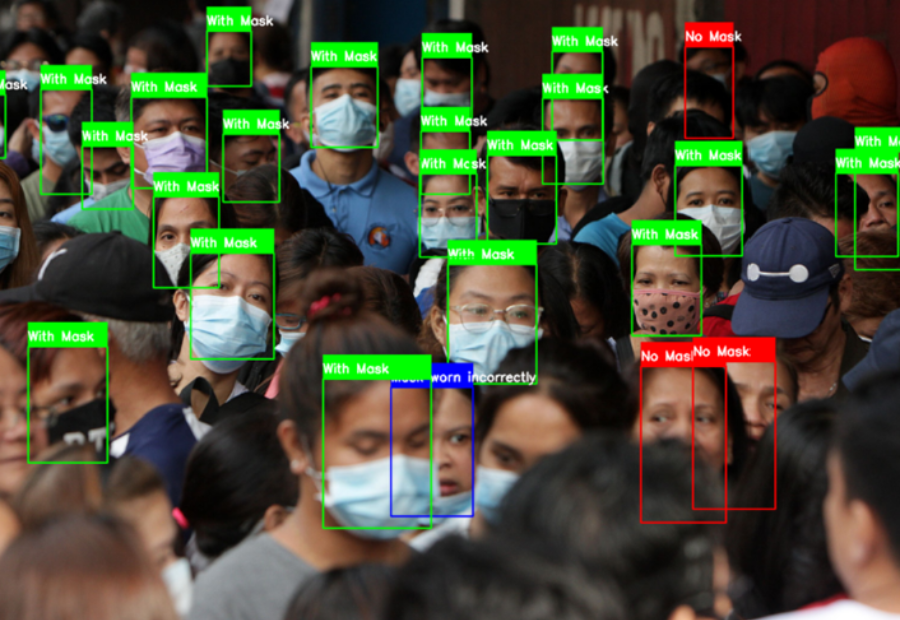
This project aims to develop a robust model for detecting whether a person is wearing a face mask and classifying mask types (e.g., surgical masks, N95 masks). The model leverages Convolutional Neural Networks (CNN) for image classification tasks. It is especially relevant during the COVID-19 pandemic, where enforcing mask-wearing is essential for public safety.

portfolio_big_img

Pulse rate detection

Computer vision model

Date:

Jan 2021

Tech stack:

Python: Core language for development. OpenCV: For video frame processing. Dlib: To detect facial landmarks. Matplotlib: To plot the pulse rate graph. NumPy: For data handling and frame analysis.

Description

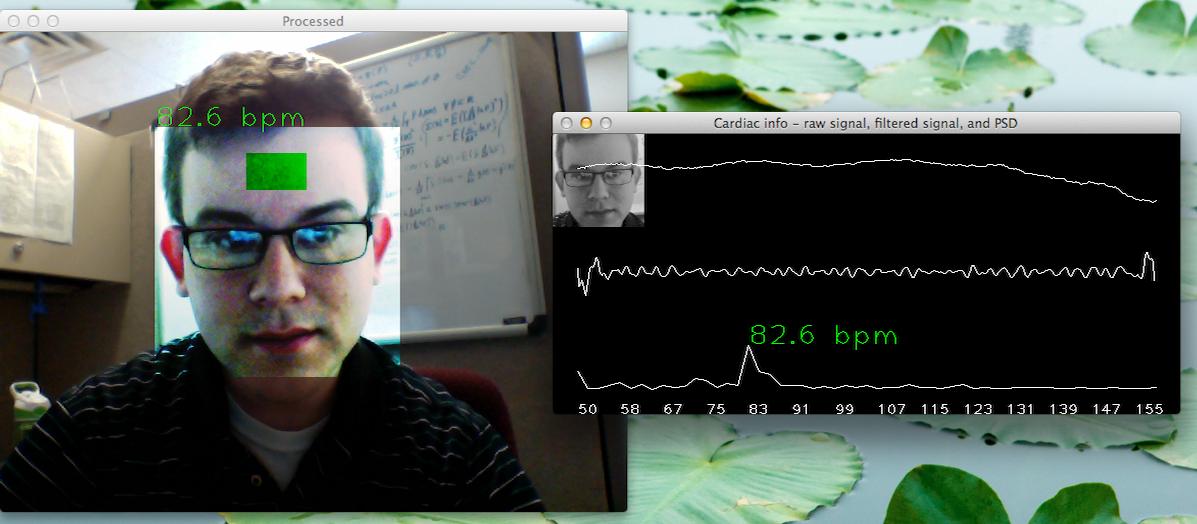
The pulse rate of a person is detected by analyzing minute changes in forehead color patterns, which correspond to heartbeats. A video of the person, captured while they remain stable, is processed to extract these subtle pulses. Dlib's facial landmark detector is used to identify facial regions, particularly the forehead. OpenCV processes frames, and sampling techniques are applied to generate a pulse rate graph.

portfolio_big_img

Trip Planner AI Agent

Generative AI

Date:

Dec 2024

Tech stack:

Python: Core programming language. Ollama Phi3 Model: Language model used to generate detailed and personalized travel itineraries. LangChain: Framework for building, managing, and interacting with AI agents. Serper API: Custom tool for web searches to retrieve up-to-date travel information. Flask: Backend for integrating the AI agent with a web-based user interface.

Description

The Trip Planner AI Agent uses advanced AI models and specialized tools to create a 4-day personalized itinerary for travelers. The agent collaborates with other specialized agents, such as city selection experts and local tour guides, to provide detailed plans, including places to visit, where to stay, packing suggestions, safety tips, and budget breakdowns. This intelligent system integrates real-time information and helps users make informed decisions about their weekend getaways, ensuring a seamless and enjoyable experience from arrival to departure.

portfolio_big_img

Network Intrusion Detection

Machine Learning model

Date:

Feb 2025

Tech stack:

Python: Core language for development. Scikit-learn: Data preprocessing and evaluation metrics. Matplotlib: Data visualization. NumPy and Pandas: Data handling and manipulation. Scapy: For packet sniffing.

Description

This project implements a Network Intrusion Detection System (NIDS) leveraging machine learning algorithms such as Logistic Regression, Decision Tree Classifier, KNeighbors Classifier and Random Forest Classifier and comparing model performance. The objective is to identify and prevent unauthorized activities within a network. By analyzing network traffic data, the system distinguishes between normal and malicious behavior, enhancing cybersecurity defenses.

portfolio_big_img

Stock Trend Prediction

Deep Learning model

Date:

Feb 2025

Tech stack:

Python: Core language for development. Scikit-learn: Data preprocessing and evaluation metrics. Matplotlib: Data visualization. NumPy and Pandas: Data handling and manipulation. Keras: deep learning library.

Description

This project is a Stock Trend Prediction Application** built with Streamlit, Keras, and Yahoo Finance API. It enables users to visualize stock price trends and make future predictions using a pre-trained deep learning model.

portfolio_big_img

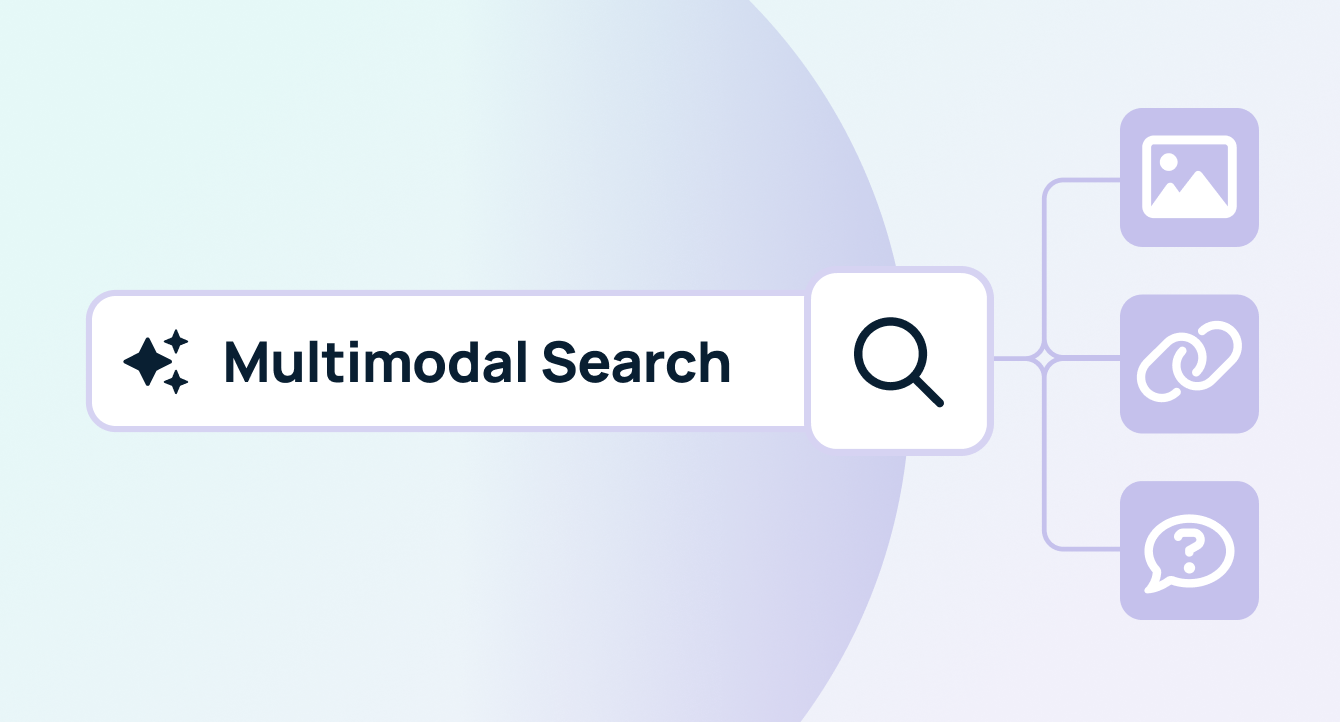
Multimodal Product Search Engine

Retrieval system using Vision Transformer model

Date:

Dec 2025

Tech stack:

Python: Core language for development. OpenCLIP: Multimodal embeddings (ViT-B-32 model). ChromaDB: Vector database for similarity search. Pandas: Data handling and manipulation. PyTorch: Deep learning framework. FastAPI: Web framework for API. Pillow: Image processing

Description

A Pinterest-style multimodal search engine that allows users to search for products using text descriptions, images, or both combined. Built with OpenCLIP, ChromaDB, and FastAPI. The multimodal item search engine enables users to find products either through textual descriptions and/or visual similarity. By combining image-based and text-based retrieval, it helps users quickly locate the exact items they need without extensive searching. This not only improves the shopping experience but also helps companies connect customers with the products that best match their preferences, increasing satisfaction and conversion rates.